
Viaduct
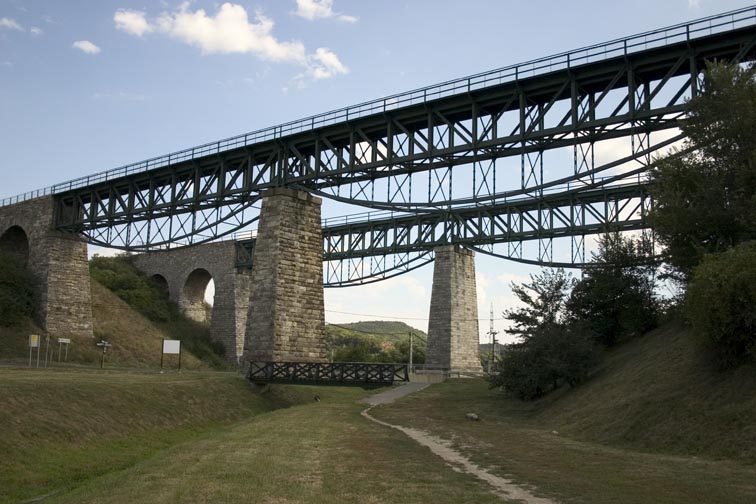
The Biatorbágy viaduct spans the valley of the Füzes (“Willow”) stream on the boundary of Biatorbágy.
The originally single-track viaduct was built in 1883-84 as part of the Budapest Kelenföld-Újszőny (Komárom) railway line; the load-bearing capacity had to be reinforced in 1903.
The viaduct is a relic of the finest era of Hungarian railway history and offers a great spectacle. Nevertheless, it acquired a nationwide reputation at the time of the bomb attack perpetrated in 1931. Fortunately, the damage was only slight at the time and the viaduct was handed over for traffic again on 3 October 1931.
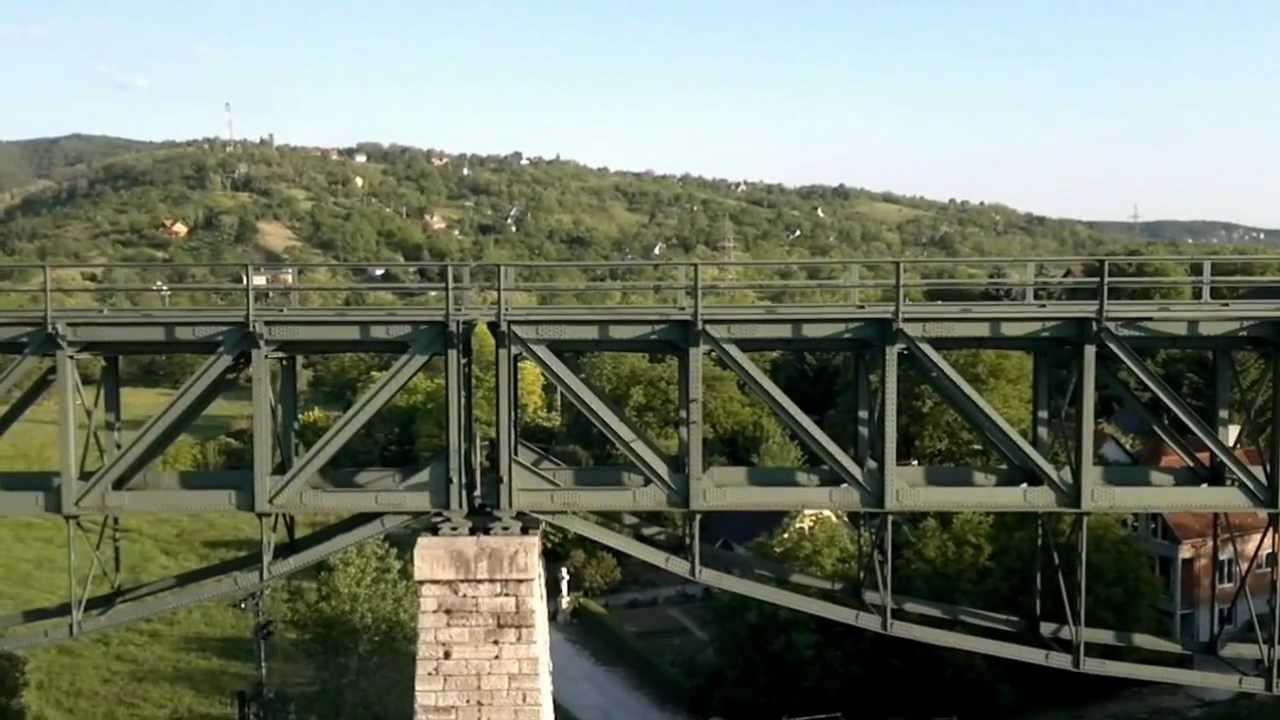
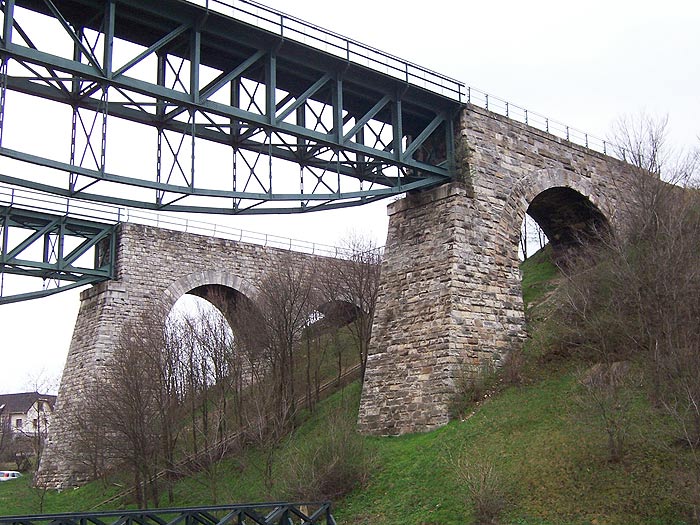
The railway track was corrected in 1977 and so the viaduct was discontinued. After 1979 the structure began to deteriorate rapidly and the idea of demolition emerged. Fortunately, funds were acquired for renovation, it was declared a listed monument and corrosion protection was carried out on the iron structure. The green-painted bridge is still one of the sights of Biatorbágy today.
VIADUCT
Biatorbágy, Szabadság út
GPS: 47.471754,18.832369
(monument)
Similar results
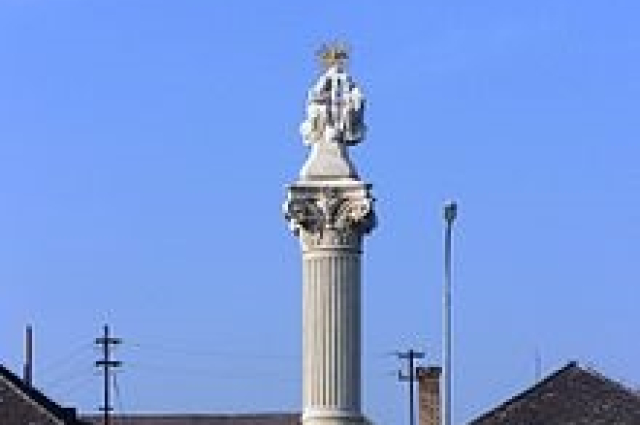
The Bia Holy Trinity Column
2051 Biatorbágy, Szentháromság térThe history of the Holy Trinity Column, located today in the middle of the roundabout, dates back to the Baroque era in the...
More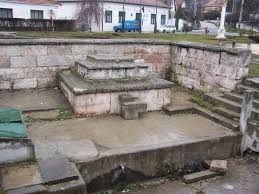
Turkish well
2072 Zsámbék, Benedek u. 2.After the fall of Buda, Zsámbék fell into Turkish hands and then the well with an integrated channel was built for an abundant...
More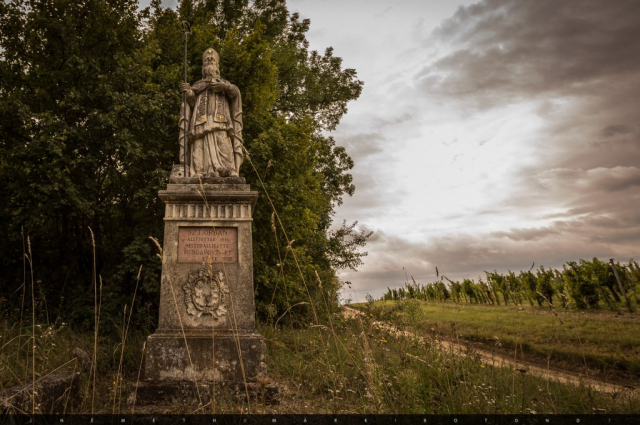
St. Orbán statue
2091 Etyek, hrsz: 2901Pope statue of St. Urban in 1816 was the blood-grapes. We have repeatedly been restored; current artificial stone pedestal was...
More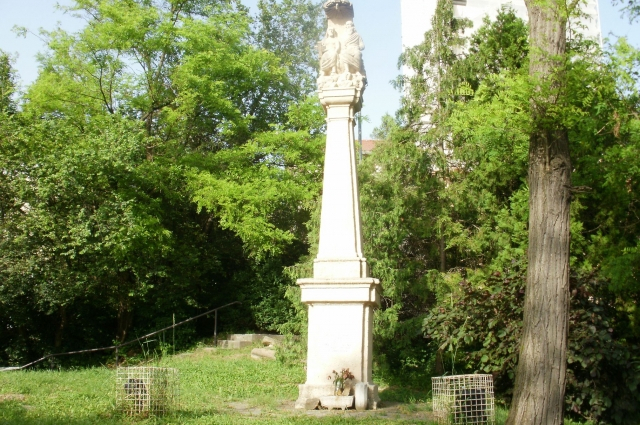
Torbágy Holy Trinity Statue
2051 Biatorbágy, Dózsa György út 4.The first mention of the stone Holy Trinity Statue was made for the church visit of 1778, stating that the statue stands in the...
More