
Józsefváros line of cellars
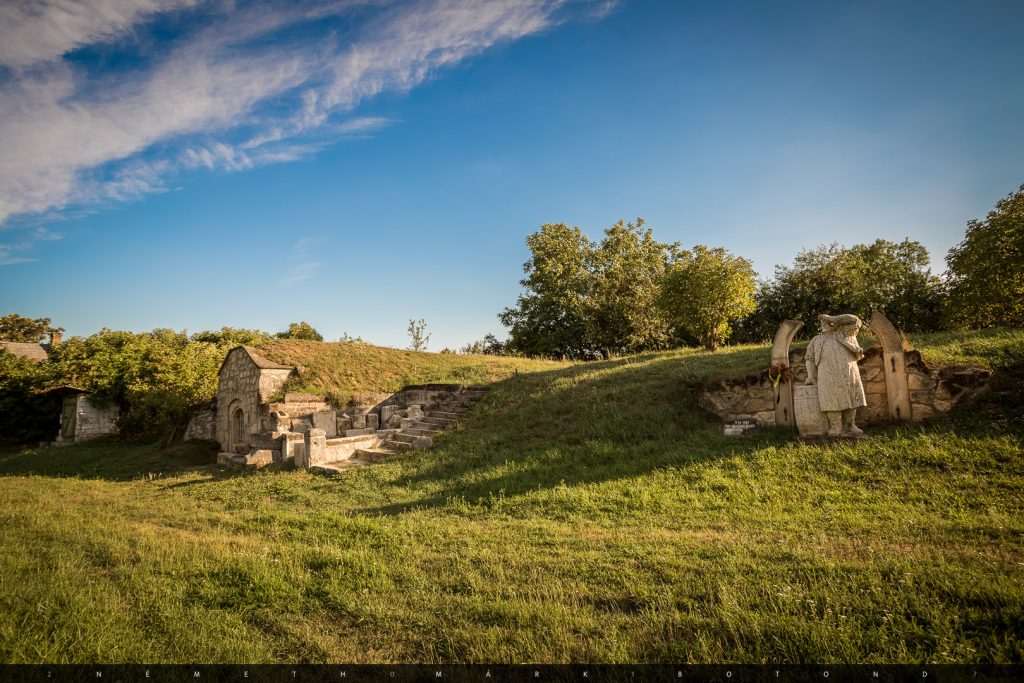
The atmospheric area officially called the Józsefváros line of cellars and known to locals as the Pit conceals natural and historical monument values ready to be discovered, and embodies the hard work of our ancestors and respect for our descendants.
The line of cellars is an area of cellars wedged between houses. Prior to 1946 – until the time of displacement – Swab families lived in this low-lying area. The “Pit” is itself the result of human activity: after the devastating plague between 1737 and 1739, Germans newly arriving in the settlement extracted the necessary materials here to build their homes. They did a thorough job, as they excavated the territory through mining to such an extent that it was no longer suited to the construction of residential buildings, but the steep walls bordering the pit were just right for building cellars.
The first cellars were dug into the Lehmgrube (clay pit), in local dialect Lahmgrub walls, back in the 18th century. Construction was only fully completed in the 19th century when seventy wine cellars, most of them with a press house built in front, almost surrounded the territory.
The cellar complex fell into disrepair following the displacement, but the territory was improved thanks to the work of the Lamgrub Association founded in 2005. In 2010 the association and Zsámbék’s local government launched the German Nationality Memorial, a work made by the sculptor Ferenc Máhr, and the Memorial Park. Today a nature trail guides visitors in the Pit, which enjoys conservation and monument protection.
JÓZSEFVÁROS LINE OF CELLARS
Address: H-2072 Zsámbék, Józsefváros passageway
Opening hours: Can be visited continuously
- 2072 Zsámbék, Józsefvárosi átjáró
Similar results

Statue of St. John of Nepomuk
2091 Etyek, Boti út 3.St. John of Nepomuk statue was erected around 1750 Imre Plájes. It moved to its present location on the occasion of the...
More
Forest Market
Hidegvölgyi Erdei Pihenőhely és ParkolóThe new initiative known as “Forest Market – Sample and Hike” has been implemented in cooperation with the Mobile Market...
More
Scots Benedictine Monastery
2093 Budajenő, Fő u. 3.Scottish monks moved to Budajenő in the first half of the 1700s, and immediately began large-scale renovation and expansion of...
More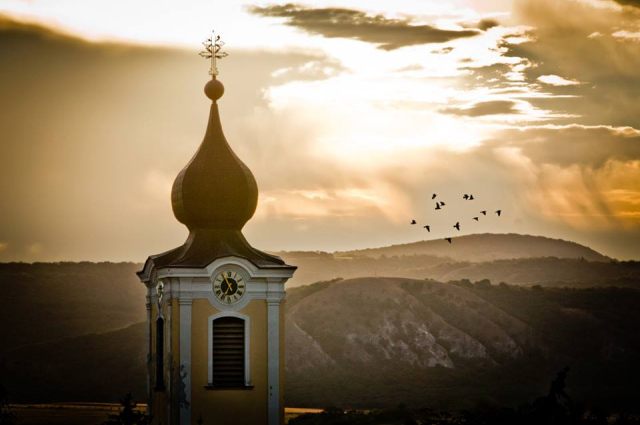
St. Anna Church
2074 Perbál, Hősök tere 1.The church dedicated to the honor of St. Anna was constructed between 1748 and 1752 using remnants of Gothic buildings.
More